
Microneedling for Melasma in Naperville: What Actually Works — and What to Watch Out For
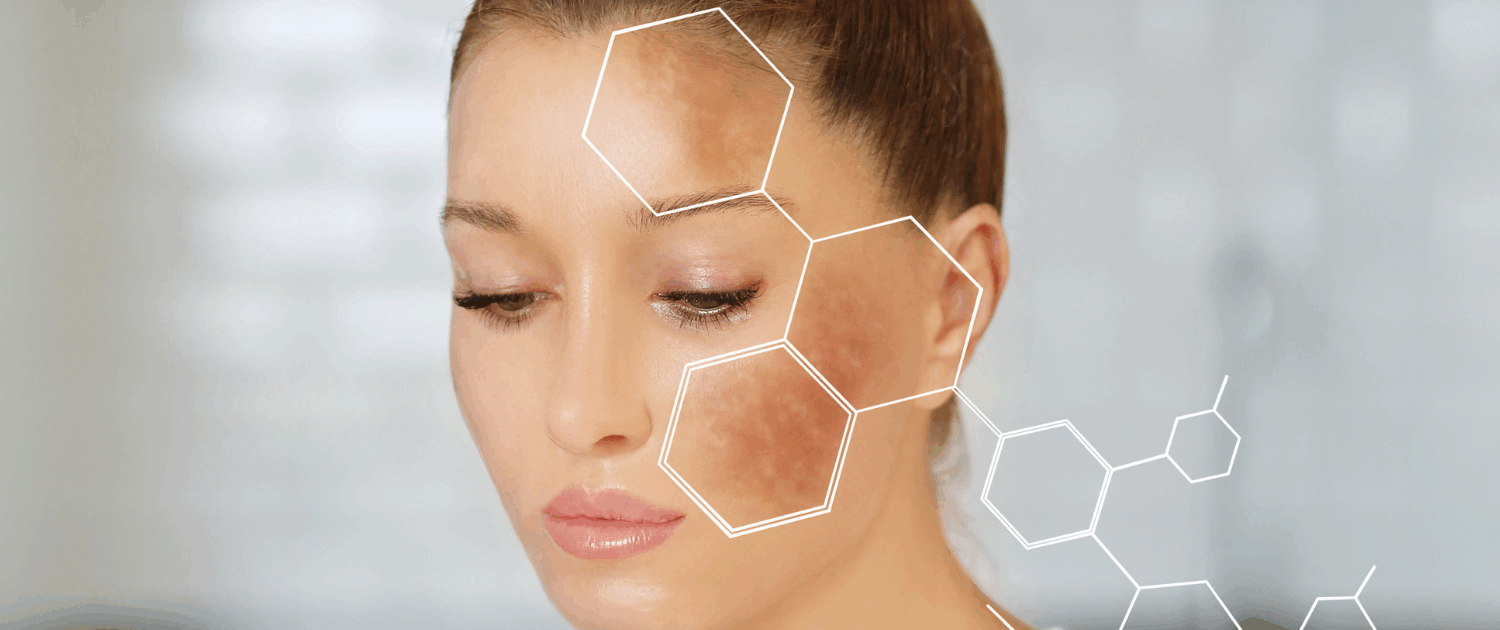
Melasma is one of the most stubborn skin concerns we see at Fusion Med Spa. It shows up as brown or gray-brown patches across the cheeks, forehead, upper lip, and bridge of the nose — symmetrical, persistent, and frustratingly hard to shake. If you’ve been dealing with it, you already know: it’s not a problem you can treat the same way you treat regular sun spots or uneven tone.
That’s because melasma is wired differently. It’s a hormonal pigmentation condition, which means it responds to triggers that have nothing to do with the sun — including heat, inflammation, and certain treatments that sound like good ideas but can actually make things worse. Before anything else, understanding those distinctions is the difference between making real progress on your melasma and spinning your wheels.
In this article, we’re going to break down what melasma is, why it behaves the way it does, why some popular skin treatments can backfire, and how our protocol at Fusion approaches melasma thoughtfully — including how we use microneedling to help address it safely. We serve clients from Naperville, Plainfield, Bolingbrook, Aurora, Oswego, and surrounding communities, and melasma questions come up constantly. Here’s everything you need to know.
Microneedling can be an effective treatment for melasma when performed correctly and with the right protocol. The key is avoiding heat-based devices, which can stimulate melanocytes and worsen melasma, and pairing mechanical microneedling with targeted serums that address pigmentation at the cellular level. At Fusion Med Spa in Naperville, IL, we use the BioTouch Precision™ microneedling device — a no-heat, mechanical approach — combined with PDRN and advanced Italian regenerative mesotherapy serums to address melasma safely. Melasma is a management condition, not a cure, and long-term results require sun protection, maintenance treatments, and a consistent protocol.
What Is Melasma — and Why Is It So Hard to Treat?
Melasma is a form of hyperpigmentation caused by overactive melanocytes — the pigment-producing cells in your skin. But unlike the sun damage that comes from years of UV exposure, melasma has a hormonal engine driving it. It’s triggered or worsened by estrogen and progesterone, which is why it’s so common during pregnancy (it’s been called “the mask of pregnancy” for a reason), while on hormonal birth control, and during perimenopause. Thyroid disorders and certain medications can also play a role.
According to the Cleveland Clinic, in response to light, heat, or ultraviolet radiation — or by hormonal stimulation — melanocytes produce more melanin, which is why skin darkens in these conditions. In someone with melasma, those melanocytes are already primed and overreactive. The threshold for triggering them is much lower than in normal skin.
There are three types of melasma, classified by where the pigment sits:
- Epidermal melasma — pigment in the top skin layer; responds best to treatment
- Dermal melasma — pigment deeper in the dermis; harder to treat
- Mixed melasma — both layers involved; most common type
That depth matters enormously. Treatments that only address the surface can’t reach dermal pigment. And treatments that generate heat or trauma can push epidermal pigment deeper into the dermis — making a manageable problem much harder to treat.
Melasma also doesn’t quit when you treat it. Even when it clears significantly, it tends to return with the next hormone shift, summer season, or heat exposure. That’s not treatment failure — that’s just the nature of this condition. The goal with melasma treatment is long-term management, not a one-time fix.
Why Heat-Based Treatments Can Make Melasma Worse
This is where a lot of people — and a lot of providers — get into trouble.
Several popular skin treatments involve delivering heat to the dermis: RF (radiofrequency) energy, certain lasers, infrared devices, and aggressive energy-based treatments. For most skin concerns, controlled heat is a good thing — it stimulates collagen, tightens skin, and drives real results. But for melasma, heat is a significant risk factor that can trigger a flare — sometimes a severe one.
Research has confirmed that heat stimulates melanogenesis through pathways that have nothing to do with UV radiation. Heat exposure has been shown to promote melanogenesis in pigment cells by increasing the paracrine effects of keratinocytes — essentially, the heat activates signaling between skin cells that tells melanocytes to produce more pigment. This is why melasma can worsen after saunas, hot yoga, steam facials, and yes — heat-generating aesthetic treatments.
When someone with melasma walks into a hot kitchen or finishes a high-intensity workout, the blood vessels in the affected areas dilate more than in surrounding skin. More blood flow means more inflammatory signaling, which means more stimulation to melanocytes that are already overactive. The same logic applies when skin is exposed to heat during a treatment.
The clinical community has been clear on this. Infrared radiation from cooking, saunas, hot yoga, and even hot showers stimulates melanocyte activity. The skin’s temperature receptors activate inflammatory pathways that signal pigment production, creating or worsening melasma patches.
What does this mean practically? Energy-based devices that generate dermal heat — including certain RF microneedling platforms — carry meaningful risk for melasma clients. The heat that makes those devices great for skin tightening is the same mechanism that can trigger a pigmentation flare. This doesn’t mean all RF microneedling is off the table for every melasma client, but it does mean device selection and treatment approach require careful judgment.
At Fusion, we always assess whether RF energy is appropriate before recommending it for anyone with active melasma. In many cases, our no-heat mechanical approach is the safer starting point — and for a lot of clients, it’s the better long-term strategy.
How Microneedling Addresses Melasma Safely
Here’s what the research shows: standard microneedling — the mechanical kind, no heat involved — is genuinely promising for melasma, and it works through a few distinct mechanisms.
Topical therapy with microneedling improved melasma severity with a large effect beyond 8 weeks, with best results seen at 12 weeks. Compared to topical therapy alone, topical therapies with microneedling resulted in a moderate improvement in melasma severity at 8 weeks and a large improvement at 12–16 weeks.
The mechanism is elegant: microneedling creates thousands of tiny microchannels in the skin. Those channels dramatically increase the absorption of topical serums — brightening actives that would normally sit on the surface can now penetrate directly into the dermis where melasma pigment actually lives. That’s the primary reason microneedling works for melasma. It’s not the needling itself that erases pigment; it’s the needling as a delivery system for targeted ingredients that address melanin production at the cellular level.
Microneedling can significantly improve treatment outcomes, especially when paired with additional therapies such as topical medicines. It also has an excellent safety and tolerability profile, making it desirable to patients and clinicians.
The key variable — and this is critical — is depth. The same research also notes that needle penetration depth needs to be carefully matched to the skin and the goal. Too deep, and you can compromise the basement membrane that separates the epidermis from the dermis. When that barrier breaks down, pigment cells can drop into the dermis, converting a manageable form of melasma into a much harder one to treat. This is why expertise and device quality aren’t optional with melasma — they’re everything.
The Fusion Melasma Protocol — Brightening From Every Layer
Our approach to melasma at Fusion isn’t built around a single treatment. Melasma is a multilayered condition — it needs to be addressed at the surface, in the dermis, and through the serums we deliver during and after treatment. Here’s how we approach it.
BioTouch Precision™ Microneedling — No Heat, Controlled Depth
The BioTouch Precision™ is our primary microneedling device, and it’s particularly well-suited to melasma for one key reason: it generates no heat whatsoever. It’s a purely mechanical device — its patented tilted 6-needle cartridge creates precise, controlled microchannels without any radiofrequency energy, thermal component, or abrasive action. That means we get all the serum-delivery benefits of microneedling without any of the heat risk that can trigger a melasma flare.
No numbing cream is needed with BioTouch — another advantage, since numbing cream adds unnecessary chemical exposure to skin that’s already reactive.
PDRN — Reducing the Inflammatory Response
PDRN (Polynucleotide DNA Restoring Nutrient) is one of our signature infusion ingredients during BioTouch treatment, and it plays a specific role in melasma care. PDRN works by activating tissue regeneration pathways and reducing inflammatory signaling in the skin. That matters for melasma because inflammation is one of the key triggers for melanocyte activity. By calming the inflammatory environment, PDRN helps reduce the post-treatment response that could otherwise stimulate further pigmentation.
Advanced Italian Regenerative Mesotherapy Serums
During BioTouch treatment, we use advanced Italian regenerative mesotherapy serums delivered directly into the microchannels. For melasma clients, we select formulations with brightening-active compounds — ingredients that work at the tyrosinase level to interrupt melanin synthesis while the microchannels allow them to reach the dermis where the pigment sits. These aren’t surface-level brightening serums. They’re clinical-grade formulations delivered where they need to go.
BioRePeel — Biphasic Brightening at the Surface
BioRePeel is a biphasic Italian medical-grade peel that works from the inside out rather than the outside in — making it unusually well-suited to melasma-prone skin. Its lipophilic phase carries active ingredients past the surface and into the dermis without ablating or wounding the epidermis. For melasma clients, we can incorporate BioRePeel as part of a treatment series for surface-level brightening that complements the deeper work of microneedling.
Key brightening ingredients in BioRePeel include tartaric acid (effective against discoloration), lactobionic acid (protective against photo-aging), and vitamin C — all delivered without the surface trauma that could trigger a PIH (post-inflammatory hyperpigmentation) response.
A Note on RF Microneedling and Melasma
Our Venus Viva NanoFractional RF treatment is excellent for skin tightening, texture, and certain pigmentation concerns — but we approach it with caution for active melasma. We assess each client individually and in some cases may recommend beginning with the BioTouch protocol to stabilize melasma before considering any RF treatment. There’s no one-size-fits-all answer here, and that kind of individualized thinking is exactly what you should expect from your provider.
Sun Protection: Non-Negotiable
Every melasma protocol at Fusion comes with the same message: no treatment works without consistent, daily SPF. Broad-spectrum SPF 30 or higher — applied every morning, rain or shine — is the foundation everything else is built on. Without it, any progress you make in the treatment room gets reversed outdoors.
What Results to Expect — and the Truth About Melasma Management
We’d be doing you a disservice if we didn’t say this clearly: melasma can be significantly improved, but it cannot be permanently cured. That’s not a limitation of our protocol — it’s the nature of the condition.
The effects of microneedle-assisted treatment for melasma begin to manifest at the 4th week, with optimal results observed at the 24th week, and with a high patient satisfaction. That timeline is realistic and reflects what we see clinically: gradual, meaningful improvement over a series of treatments, with results building over months rather than weeks.
What you can realistically expect:
- Visible lightening of melasma patches over a series of 4–6 treatments
- Improved overall skin tone and texture alongside the targeted pigmentation work
- Longer periods between flares with consistent maintenance and sun protection
- A protocol that doesn’t make your melasma worse — which is not something you can say about every treatment approach
What melasma will always require:
- Maintenance treatments — typically every 4–8 weeks depending on your skin’s response
- Daily SPF, without exception
- Managing other triggers: heat exposure, hormonal fluctuations, stress, and certain skincare products
- Honest communication with our team when your skin changes
Melasma has a strong seasonal component. Many clients see improvement through fall and winter, then notice some return in spring and summer. That’s normal. The goal is to narrow the swing — to start higher and come back less dramatically — and to give your skin the tools to manage it over time.
Is Microneedling Right for Your Melasma?
Microneedling with the right protocol is a strong option for most melasma clients, but a few factors affect candidacy.
Good candidates typically:
- Have epidermal or mixed melasma (though we’ve seen improvement across types)
- Are committed to daily SPF and follow-through between treatments
- Are not currently pregnant or breastfeeding
- Are not on isotretinoin (wait at least 6 months after stopping)
- Don’t have active skin infections or inflammatory conditions in the treatment area
- Understand that melasma management is an ongoing commitment, not a single fix
We’d recommend a consultation first if you:
- Have a history of keloid scarring
- Are on blood-thinning medications
- Have very dark, active melasma patches that may need a different starting point
- Have tried other microneedling providers and experienced a worsening reaction
One more honest note: skin tone matters. Deeper skin tones (Fitzpatrick Types IV–VI) can be more prone to post-inflammatory hyperpigmentation if microneedling is performed too aggressively or with the wrong device. The BioTouch’s controlled depth and no-heat approach significantly reduces this risk — but it doesn’t eliminate the importance of a skilled, experienced hand behind the device. This is exactly the kind of assessment we do during consultation.
Why Naperville Clients Choose Fusion for Melasma Treatment
There’s no shortage of places in the Naperville area offering microneedling. What’s harder to find is a practice that understands the nuances of treating a condition like melasma — where the wrong approach can set you back months.
We’ve been doing this for over 20 years, since 2003, and we’re not an injection clinic, a Botox bar, or a high-volume facial factory. Fusion was built around advanced technology and the skilled estheticians who know how to use it. We don’t offer a menu and let you pick. We assess your skin, understand your concerns, and build a protocol that accounts for what’s actually going on — including the factors that could make things worse if we’re not thoughtful.
Our philosophy is healthy skin from the inside out. That means we don’t chase a quick visual result at the expense of your skin’s long-term health. With melasma, that philosophy isn’t just a brand position — it’s clinically essential. The treatments that generate the most dramatic short-term results are often the same ones that set off the worst melasma flares. We’d rather build you a protocol that works over time than rush to impress you on week one.
You can explore our BioTouch Precision™ microneedling service to understand more about how the treatment works. If you’re also looking at brightening options that complement a microneedling series, BioRePeel and our chemical peel options can be powerful additions. And our microneedling for acne scars article goes deeper on how BioTouch addresses textural concerns alongside pigmentation — relevant reading if your melasma is accompanied by any scarring.
Frequently Asked Questions About Microneedling for Melasma in Naperville
Can microneedling make melasma worse?
Yes, it can — but it depends heavily on the device and the approach. Microneedling that generates heat (radiofrequency microneedling platforms) carries risk for melasma clients, because heat stimulates melanocyte activity and can trigger a pigmentation flare. Microneedling that goes too deep can also disrupt the basement membrane between skin layers, pushing pigment cells into the dermis and making the melasma harder to treat. At Fusion, we use the BioTouch Precision™, a no-heat mechanical device with precisely controlled depth — which is specifically why it’s appropriate for melasma when other microneedling approaches may not be.
How many microneedling sessions does it take to see improvement in melasma?
Most clients begin to notice visible lightening between weeks 4 and 8, with more significant improvement at the 12-week mark and beyond. A full series is typically 4–6 treatments spaced 4–6 weeks apart. Clinical research confirms that the best results develop over 12–24 weeks with consistent treatment. Rushing the timeline or overloading the skin doesn’t produce faster results with melasma — patience and consistency matter.
Is melasma permanent? Can it be cured?
Melasma can be significantly reduced, but it’s a chronic condition driven by hormonal and genetic factors, which means it can recur. Treatments help manage and minimize it — with the right protocol and consistent sun protection, many clients experience long periods with very little visible melasma. But “cured” isn’t the right word for this condition. Think of it as managing a chronic concern rather than resolving it once and moving on.
Will microneedling help if my melasma is deep (dermal melasma)?
Dermal melasma is more challenging to treat than epidermal melasma because the pigment sits below the skin’s surface where most topical treatments can’t reach. This is actually one of the places where microneedling has a potential advantage — by creating microchannels, it allows brightening actives to reach deeper skin layers that topicals alone cannot penetrate. Results with dermal melasma are slower and more variable, but meaningful improvement is possible with consistent treatment and realistic expectations.
Can I get microneedling for melasma if I’m pregnant?
No. Microneedling is not recommended during pregnancy. This applies to all microneedling types, and separately, many serums and actives used in a melasma protocol are also contraindicated during pregnancy. If you’re pregnant and dealing with melasma, the first line of management is consistent SPF and gentle, pregnancy-safe brightening ingredients. We’re happy to discuss what’s appropriate for your skin during this time and plan for post-pregnancy treatment.
What’s the difference between melasma and regular dark spots?
Regular dark spots (sun spots, age spots, post-inflammatory hyperpigmentation) are caused by UV damage or past inflammation at specific sites. They’re generally stable once the triggering cause is addressed. Melasma is driven by hormonal and heat factors — it’s more widespread, more symmetrical, and more likely to fluctuate with seasons, hormones, and heat exposure. Melasma also tends to be more resistant to treatment and more prone to recurrence. The treatment approach that works for sun spots won’t necessarily work for melasma, and some treatments (like aggressive lasers) that clear sun spots beautifully can worsen melasma significantly.
Does BioRePeel help with melasma?
Yes — BioRePeel is one of our preferred add-on treatments for melasma-prone skin. Its biphasic delivery system allows brightening actives like tartaric acid, vitamin C, and lactobionic acid to reach the dermis without ablating the surface, which means less surface disruption and a lower risk of triggering a post-inflammatory pigmentation response. We typically incorporate BioRePeel as part of a broader series rather than as a standalone treatment for melasma.
Does sun protection really matter that much?
Yes — and we can’t overstate this. Melasma is one of the most sun-reactive skin conditions. Even five minutes of unprotected UV exposure can undo weeks of treatment progress. We recommend broad-spectrum SPF 30 or higher, applied every single morning without exception — including cloudy days and days spent mostly indoors near windows. Tinted mineral sunscreens (which contain iron oxides) are particularly beneficial for melasma because they also provide some protection against visible light, which can also trigger pigment. No melasma treatment protocol is effective without this foundation in place.
Can I combine microneedling with other melasma treatments?
Yes, and in most cases combination approaches produce better outcomes than any single treatment alone. At Fusion, we often combine BioTouch microneedling with PDRN infusions, advanced Italian regenerative mesotherapy serums, and BioRePeel within a structured series. We can also discuss complementary at-home brightening routines that work between appointments. What we don’t do is pile on treatments without a plan — melasma responds best to a thoughtful, consistent protocol rather than an aggressive kitchen-sink approach.
Ready to Address Your Melasma?
Melasma doesn’t have to define your skin. With the right approach — and a team that understands the nuance this condition requires — real, visible improvement is absolutely achievable. We’d love to assess your skin and build a protocol that makes sense for where you are.
Call or text us at 630-451-8509 to schedule your consultation, or join our free VIP membership at fusion.repeatmd.com for exclusive rewards and savings.
Fusion Med Spa 4931 Rte 59 #119 Naperville, IL 60564
Serving Naperville, Plainfield, Bolingbrook, Aurora, Oswego, and surrounding communities.
References
- Chen X, et al. Review of Applications of Microneedling in Melasma. Journal of Cosmetic Dermatology. 2025. https://onlinelibrary.wiley.com/doi/10.1111/jocd.16707
- Conejo-Mir J, et al. Microneedling as an adjuvant to topical therapies for melasma: A systematic review and meta-analysis. Journal of the American Academy of Dermatology. 2021. https://pubmed.ncbi.nlm.nih.gov/33857549/
- Hu Y, et al. Efficacy of Microneedle as an Assisted Therapy for Melasma: A Meta-analysis and Systematic Review of Randomized Controlled Trials. Aesthetic Plastic Surgery. 2024. https://pmc.ncbi.nlm.nih.gov/articles/PMC11968554/
- Sun H, et al. Heat promotes melanogenesis by increasing the paracrine effects in keratinocytes via the TRPV3/Ca2+/Hh signaling pathway. PMC. 2023. https://pmc.ncbi.nlm.nih.gov/articles/PMC10192915/
- Melasma: Treatment, Causes & Prevention. Cleveland Clinic. 2023. https://my.clevelandclinic.org/health/diseases/21454-melasma
- Kim JC, et al. Targeting the dermis for melasma maintenance treatment. Scientific Reports. 2024. https://www.nature.com/articles/s41598-023-51133-w
Individual results may vary. This content is for informational and educational purposes only and does not constitute medical advice, diagnosis, or treatment. Please consult with our team to determine if a treatment is right for you.